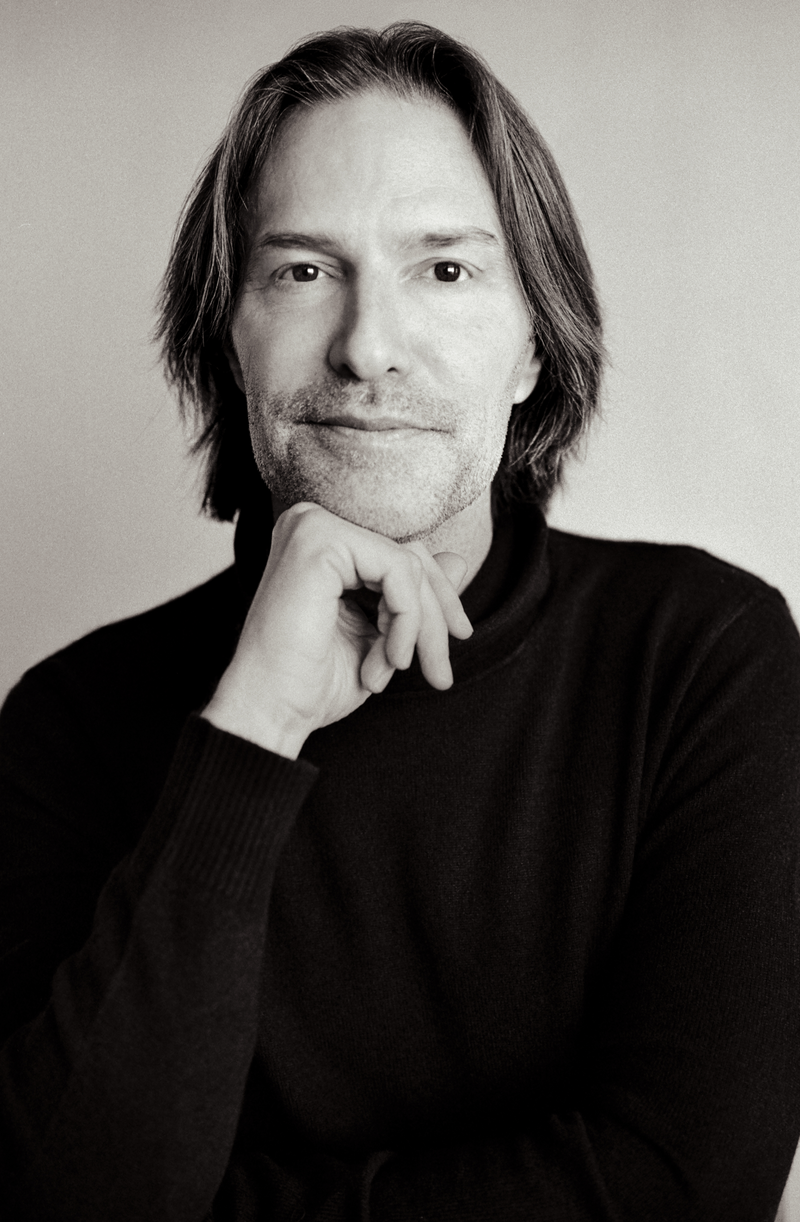
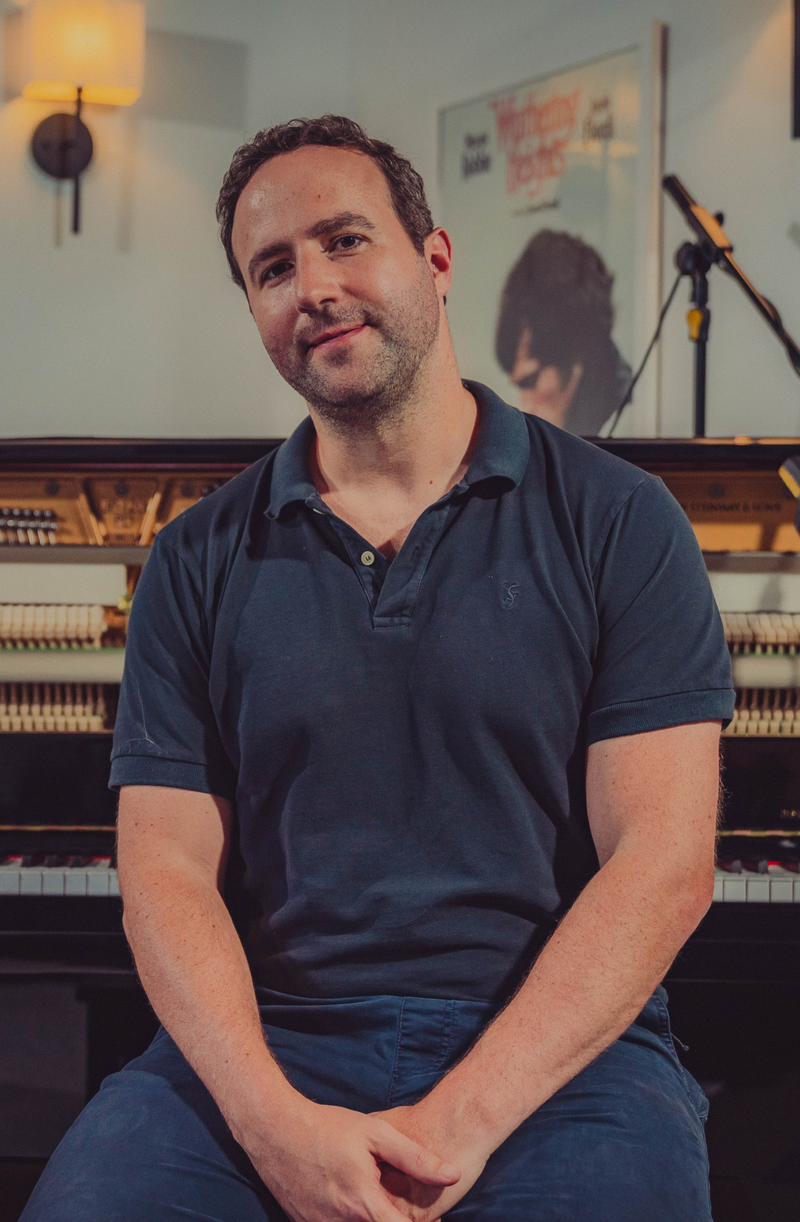
Theodore Shapiro

Spitfire Audio Ambassador

Theodore Shapiro

The Devil Wears Prada · Severance

Emmy WinnerSeverance

Composer. Severance, The Devil Wears Prada.

Theodore Shapiro is an Emmy® Award-winning composer with a prolific filmography spanning many of the most culturally defining films of the past 25 years.

Most recently, Shapiro won his second Emmy Award for his score to the second season of Apple TV+’s critically-acclaimed Severance, following his award-winning work on the first. He also scored the smash hit The Housemaid, directed by Paul Feig and starring Amanda Seyfried and Sydney Sweeney.

Outside of Severance, Shapiro has built a reputation as a master of comedy scores, notably scoring iconic comedies like The Devil Wears Prada, 13 Going on 30 and Dodgeball, and recently completed the score to The Devil Wears Prada 2. Beyond that, however, his extensive body of work – contributing to over a billion dollars in cumulative box office revenue – spans a wide variety of films, with turns scoring the likes of The Eyes of Tammy Faye, Bombshell and Ben Stiller’s The Secret Life of Walter Mitty.

Following a deep passion for film music since childhood and stints at Brown University and Juilliard, Shapiro is now based in Los Angeles with his family. 

Awards
Emmy, Outstanding Music Composition for a Series (Original Dramatic Score) · Severance (2025)
Emmy, Outstanding Original Main Title Theme Music · Severance (2022)
Based in
Los Angeles

Selected credits

  • The Devil Wears Prada

    Composer · 2006

  • Severance

    Composer · 2022–

  • The Devil Wears Prada 2

    Composer · 2026

  • The Housemaid

    Composer · 2025

  • 13 Going on 30

    Composer · 2004

  • Dodgeball

    Composer · 2004

Four questions with Theodore Shapiro

The secret to scoring comedy?
Treat it seriously. Blades of Glory is a serious sports movie musically, Tropic Thunder a serious action film, and Spy a serious spy film. That contrast is what allows the comedy to land.
How has your creative process changed over the years?
I increasingly like to start writing before filming begins, sometimes working directly from the script. It allows me to concentrate on theme and character without being led by the picture.
How do you know when a piece of music is finished?
I physically move away from my keyboard and sit at the back of his studio, forcing myself to experience the scene and music as an audience member. When I can watch the whole cue from there without wanting to change anything, I know it’s done.
What advice would you give to a composer starting out?
Present yourself as an artist with a specific point of view, rather than someone who can do everything. And if you haven’t found that point of view yet, developing it should be the priority.

Theodore’s favourite libraries

Ólafur Arnalds Chamber Evolutions

The string evolutions allow an element of randomness that create results I can’t get from other libraries.

Ólafur Arnalds Chamber Evolutions

Explore Chamber Evolutions
Spitfire Chamber Strings Professional

This is my go-to library for a chamber string group. It’s flexible, playable, and has a ton of essential articulations.

Spitfire Chamber Strings Professional

Explore Chamber Strings Professional
Mercury

The metallic sounds in this library are a secret weapon. It does a specific thing incredibly well and has found its way into a lot of my scores.

Mercury

Explore Mercury